
Why Does a Filled Tooth Hurt?
Click to rate this post!
[Total: 0 Average: 0]
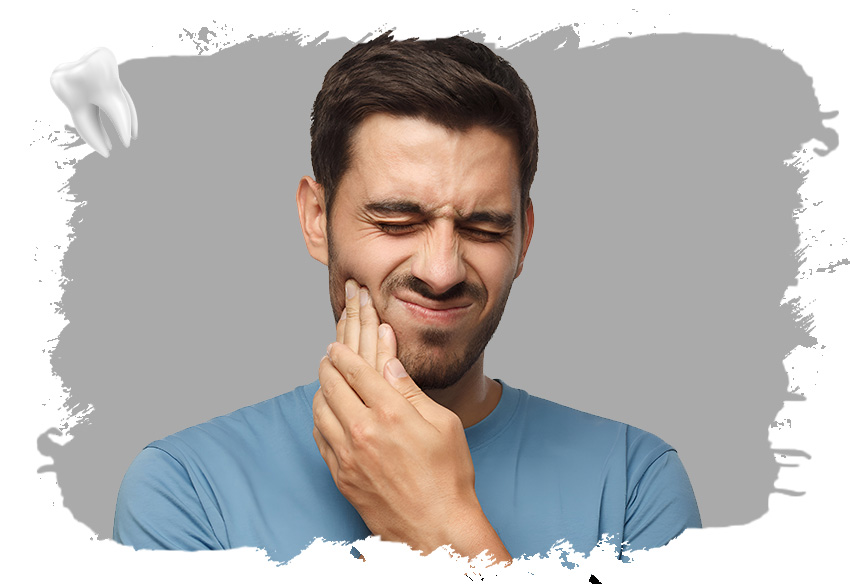
Experiencing pain in a filled tooth after a dental filling, which is performed to clean tooth decay and restore the function of the tooth, is a common situation for many patients. During the procedure, intervention in the enamel and dentin tissues of the tooth stimulates the living nerve tissue inside, known as the pulp. In deep cavity cleaning or during the hardening phase of composite materials placed in the tooth, micro-tensions may occur, and these are among the main starting points of pain in a filled tooth.
Adaptation and Sensitivity After a Filling
Mild throbbing or sensitivity that appears shortly after the filling procedure, especially as the effect of anesthesia begins to wear off, is considered medically normal. The nerves of the tooth react to the drilling process and the chemical filling materials used by developing a kind of defense mechanism. This condition, known as post-operative sensitivity, usually decreases and disappears completely within a few days to a few weeks when the patient pays attention to oral care.
Factors That Cause Pain in a Filled Tooth
- Sudden temperature changes in consumed foods and drinks, especially items such as extremely hot tea or ice-cold water, can directly stimulate the nerve endings in the tooth and cause sudden, sharp sensitivity.
- Contact with sugary, acidic, and sticky foods may seep through the edges of the filling, accelerate fluid movement in the dentinal tubules, and trigger sensitivity.
- Teeth clenching, known as bruxism, or teeth grinding during sleep places much more mechanical load than normal on the newly placed filling, causing the tissues around the tooth root to become strained.
- Deep cavities in neighboring teeth or different infections in the gums may spread through the nerve network and create referred pain in a filled tooth that is actually healthy.
Decay Reaching the Nerve Tissue
If the decay in the tooth has progressed very deeply and has come very close to the nerve layer, known as the pulp, inflammation in the nerves may continue even after a filling is placed. In such cases, although the filling material tries to protect the nerve from external factors, if the damaged pulp cannot heal itself, spontaneous and severe pain may begin.
Persistent pain that does not go away with painkillers is one of the clearest signs that the tooth may require root canal treatment, also known as endodontic treatment. Delaying treatment may cause more extensive damage to the bone tissue surrounding the tooth.
Symptoms of a High Filling Problem
- Feeling early contact in the affected tooth before all other teeth when closing the mouth, at rest, or while chewing indicates that the anatomical level of the filling is higher than ideal.
- When the upper and lower jaws do not close completely, the chewing force becomes concentrated on a single tooth. This creates uneven pressure on the jaw joint and tooth root, making chewing difficult.
- When pressure is applied while consuming hard foods, the periodontal fibers that connect the tooth to the jawbone become overstretched, causing a sharp, sudden, and stabbing pain that radiates toward the tooth root.
Secondary Decay Developing Under the Filling
Over time, the compatibility between the filling material and the tooth tissue may deteriorate, leading to microleakage. Bacteria that seep through the edges of old fillings can create a suitable environment for the formation of new decay tissue under the filling, known as secondary decay.
These secondary cavities, which are difficult to see directly with the naked eye, usually become noticeable with severe pain only when they progress and reach the nerves, or when hot or cold stimuli enter through the leakage area.
When Should You See a Dentist?
- If no improvement is observed even weeks or months after the filling procedure, and the pain gradually becomes more severe instead of decreasing and disappearing, eventually affecting daily life.
- Persistent pain that suddenly wakes you up at night, feels rhythmic and throbbing like a heartbeat, and does not subside despite the use of painkillers.
- Swelling at the root level of the affected tooth or in the surrounding gums, tenderness to touch, noticeable redness, or pimple-like inflammatory discharge that may indicate an abscess.
- Severe sharp sensitivity and aching during eating and chewing, even when only slight pressure is applied to the tooth, regardless of the hardness of the food.
ORAL AND DENTAL HEALTH POLYCLINIC
YOU MAY BE INTERESTED
TREATMENTS THAT YOU CAN RECEIVE

Implant Treatment

Porcelain Laminates

Bonding Application

Orthodontics
Ekiz Oral and Dental Health Polyclinic
We would be happy to help you achieve the smile of your dreams. You can contact us whenever you want.
+90 212 809 47 47
Working Hours: Weekdays 09:00 - 18:00, Weekends 10:00 - 16:00
[email protected]
For any questions and appointments...
Sarıyer/İstanbul
Vadikoru, No:10/A İç Kapı No:100
