
When Should a Dental Filling Be Replaced?
Click to rate this post!
[Total: 0 Average: 0]
A dental filling restores tooth structure lost due to decay, fracture or wear. However, no filling remains unchanged for a lifetime. Chewing forces, oral hygiene, teeth grinding and the seal between the tooth and the filling may change over time. For this reason, old fillings should be checked regularly and replaced when necessary.
A filling does not need to hurt before it is replaced. Leakage, staining or new decay under an old filling can sometimes develop without obvious symptoms. Regular dental check-ups help detect these problems early.
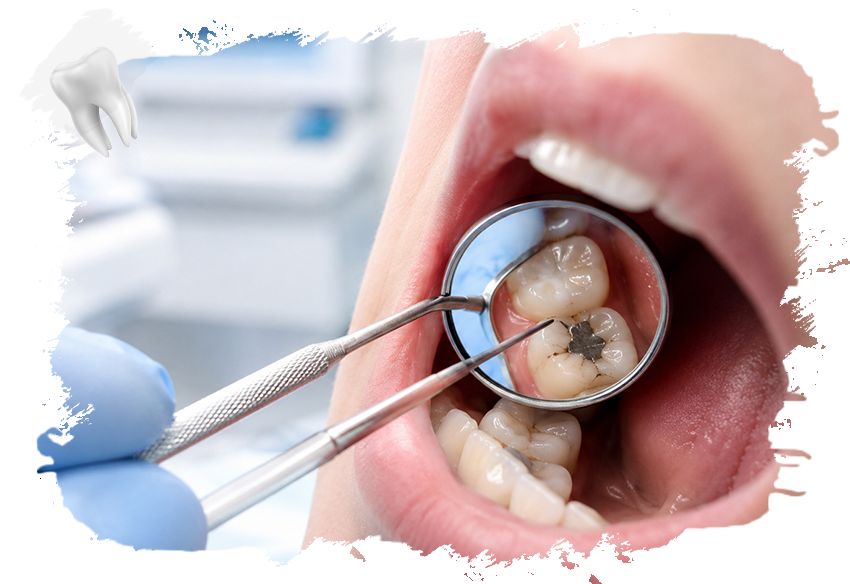
Why Does a Dental Filling Need Replacement?
Fillings may wear down, crack or lose their bond with the tooth over time. Large fillings, especially on back teeth, are exposed to stronger chewing pressure and may deteriorate faster.
If a small gap forms between the tooth and the filling, bacteria and food debris can enter this area. This may lead to decay under the filling, sensitivity or, in advanced cases, the need for root canal treatment.
Signs That an Old Filling Should Be Checked
Sensitivity to hot, cold or sweet foods, pain while chewing, a rough or broken edge, dental floss catching around the filling, discoloration or a bad taste in the mouth may indicate that an old filling should be evaluated.
In some cases, a filling may look acceptable from the outside, while an X-ray reveals decay or leakage underneath. That is why the decision should not be based only on pain.
Can Decay Develop Under a Filling?
Yes. New decay can develop under old fillings, especially when the edges no longer seal properly. These cavities may not be visible from the outside and may not cause pain until they progress.
If decay under a filling is detected early, the filling can be replaced while preserving more natural tooth structure. If treatment is delayed, the decay may approach the nerve and require more extensive care.
Does Every Old Filling Need to Be Replaced?
No. A filling that has slight discoloration but good margins, no decay and proper function may simply be monitored. The decision is made after evaluating the clinical exam, X-rays and the patient’s symptoms together.
Unnecessary replacement can remove healthy tooth tissue, so the treatment plan should be personalized.
How Can Fillings Last Longer?
Good brushing, flossing, avoiding cracking hard foods with the teeth and using a night guard when teeth grinding is present can help fillings last longer. Regular dental visits every six months also make it easier to detect small problems early.
Replacing a dental filling is not only about renewing an old restoration; it is a preventive step to protect the tooth in the long term.
ORAL AND DENTAL HEALTH POLYCLINIC
YOU MAY BE INTERESTED
TREATMENTS THAT YOU CAN RECEIVE

Implant Treatment

Porcelain Laminates

Bonding Application

Orthodontics
Ekiz Oral and Dental Health Polyclinic
We would be happy to help you achieve the smile of your dreams. You can contact us whenever you want.
+90 212 809 47 47
Working Hours: Weekdays 09:00 - 18:00, Weekends 10:00 - 16:00
[email protected]
For any questions and appointments...
Sarıyer/İstanbul
Vadikoru, No:10/A Inner Door No:100
