
What Causes Gum Discoloration? Top 5 Reasons
Click to rate this post!
[Total: 0 Average: 0]
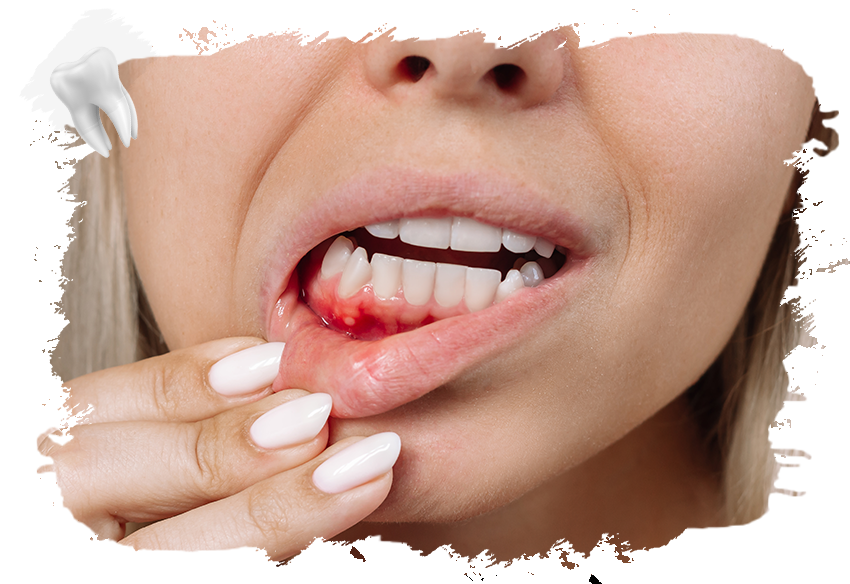
Gum discoloration refers to the gums moving away from their normal pink appearance and taking on a purple, dark red, or bluish color. This change may sometimes result from the natural pigment structure, while in other cases it may be related to gum diseases, trauma, or circulation problems. The duration of the color change and the accompanying symptoms should be carefully evaluated.
What Is Gum Discoloration?
Gum tissue can provide important information about the general condition of oral health. Healthy gums usually appear pink, firm, and free of bleeding. However, due to a person’s natural skin tone, genetic characteristics, and melanin density, the gums may appear darker. Newly developed gum discoloration, especially when accompanied by swelling, pain, or bleeding, should be evaluated.
What Are the Common Causes of Gum Discoloration?
Gum discoloration does not occur due to a single cause. Inadequate oral care, physical damage to the gum tissue, smoking, or natural pigment differences may lead to color changes. To understand the source of the discoloration, it should be evaluated when the change began, whether it is seen in a specific area, or whether it affects the entire gum tissue.
- Gum inflammation: Bacterial plaque accumulating on the tooth surface and along the gum line may cause redness, swelling, and darkening in the tissue. In advanced gum diseases, the gums may take on a purplish appearance close to red.
- Physical trauma: A hard food, incorrect dental floss use, a hard-bristled toothbrush, or a blow to the mouth area may damage small blood vessels and cause localized discoloration.
- Natural pigmentation: In some individuals, the gums may genetically appear brown, dark purple, or almost black. Dark areas that have remained unchanged for a long time and do not cause any other symptoms may be related to the natural pigment structure.
- Smoking: Cigarette smoke may irritate oral tissues and increase melanin production, causing dark-colored spots on the gums. This change may be more noticeable in smokers.
- Dental treatments: After tooth extraction, implant placement, local anesthesia, or different surgical procedures, temporary discoloration and sensitivity may develop in the surrounding tissues.
Why Does Gum Discoloration Occur in Children?
In children, gum discoloration is mostly associated with the teething process or trauma to the mouth area. As a result of falling, impact, or contact of a hard object with the gum, small blood vessels may be damaged and temporary discoloration may develop in a specific area.
During the teething period, a blue, purple, or brownish swelling may form over the primary or permanent tooth that is about to erupt. This structure, called an eruption cyst, occurs due to fluid accumulation in the soft tissue over the tooth. When blood mixes into the cyst, the color may appear darker. In most cases, as the tooth erupts into the mouth, the swelling shrinks on its own.
However, if the swelling grows, causes pain, makes it difficult for the child to eat, or if discharge and bad odor develop in the area, a pediatric dentist should be consulted. Tooth mobility, fracture, or color change after trauma should also be evaluated separately.
Symptoms That May Accompany Gum Discoloration
Symptoms seen alongside the color change may help identify the source of the problem. Especially long-lasting gum discoloration should not be considered only a visual change. If darkening of the gum tissue is accompanied by pain, bleeding, or bad odor, it is important not to delay an intraoral examination.
- Bleeding during brushing may indicate inflammation or sensitivity in the gum tissue.
- Persistent bad breath and bad taste may be related to gum diseases.
- Swelling, throbbing, and sensitivity developing in the gums may suggest the possibility of infection or trauma.
- Changes such as gaps between the teeth, tooth mobility, or gum recession may be seen together with advanced periodontal problems.
- A bluish color appearing on the lips or skin along with gum discoloration may be related to conditions that require urgent evaluation, such as oxygenation or circulation problems.
How Is Gum Discoloration Diagnosed?
To determine the cause of gum discoloration, the first step is to evaluate when the color change began, whether a similar condition has occurred before, and whether there is pain, bleeding, or swelling in the area.
During the intraoral examination, the dentist examines the color and structure of the gum tissue, as well as the condition of the surrounding teeth. If trauma, infection, or a problem related to the tooth root is suspected, X-ray images may be used.
When necessary, the patient’s medications, smoking habits, and general health condition are also included in the evaluation. The borders, spread, and progression of the color change over time are examined separately.
How Does Gum Discoloration Go Away?
The approach to be applied is determined according to the cause of the color change. In problems caused by plaque buildup, professional tartar cleaning and regular oral care may be required. Mild bruising after trauma usually decreases over time. However, in cases of permanent color changes, trying to whiten or scrape the area with home methods may cause further irritation of the tissue.
The dentist first performs an intraoral examination to determine whether the discoloration is caused by trauma, gum disease, infection, or natural pigmentation. When necessary, X-rays and additional evaluations may be used.
As part of treatment, tartar cleaning may be performed, and an appropriate treatment plan may be prepared for infection or gum disease. In cases of long-lasting color changes or changes whose cause cannot be determined, the patient may be referred to the relevant specialty for further examination.
What Can Be Done to Prevent Gum Discoloration?
Regular oral care helps prevent gum inflammation and the related color changes. However, it should not be forgotten that genetic pigmentation is not a disease and only changes the appearance. The goal is not the color of the gums, but preserving the healthy, firm, and non-bleeding structure of the tissue.
- Teeth should be brushed regularly and gently, including the gum line.
- Dental floss or an interdental brush should be used to clean plaque accumulated between the teeth.
- Hard toothbrushes and uncontrolled use of abrasive products that may irritate the gums should be avoided.
- Smoking and similar tobacco products should be stopped or reduced.
- Dental check-ups should be attended at regular intervals, and professional tartar cleaning should be performed when necessary.
When Should a Dentist Be Consulted for Gum Discoloration?
If gum discoloration does not decrease within a few days, grows gradually, or recurs, a dental examination is required. If the discoloration is accompanied by severe pain, pus, bad odor, heavy bleeding, fever, or tooth mobility, earlier evaluation is necessary. Sudden-onset intraoral color changes with an unknown cause should not be neglected.
Are Long-Lasting Color Changes Important?
Purple, red, or dark-colored areas that last longer than two weeks, change shape, or do not heal should be professionally evaluated. Through examination, it can be investigated whether the change is related to natural pigmentation, trauma, infection, or another oral disease.
ORAL AND DENTAL HEALTH POLYCLINIC
YOU MAY BE INTERESTED
TREATMENTS THAT YOU CAN RECEIVE

Implant Treatment

Porcelain Laminates

Bonding Application

Orthodontics
Ekiz Oral and Dental Health Polyclinic
We would be happy to help you achieve the smile of your dreams. You can contact us whenever you want.
+90 212 809 47 47
Working Hours: 09:00 - 19:00
[email protected]
For any questions and appointments...
Sarıyer/İstanbul
Vadikoru, No:10/A İç Kapı No:100
