
Which Antibiotic is Used For Toothache?
Which Antibiotic Is Used for Toothache
In cases of severe toothache, infection management must be handled with great care, just as in other serious medical conditions. In these problems, which are usually caused by inflammation in the gums, the correct use of antibiotics under the guidance of a specialist doctor is a very critical step for complete recovery.

What Are the Antibiotic Options for Dental Infections?
Toothache problems usually arise directly from bacterial dental infections seen at the root tip or in the gums. In such risky situations, specialist dentists prescribe active agents such as amoxicillin or clindamycin to quickly prevent the inflammation from spreading. These medical agents must never be used without doctor supervision.
For individuals who are allergic to the penicillin group, different medical alternatives are carefully evaluated, and the most suitable medication is selected according to the patient’s current overall health condition.
Just as different inflammations in the body need to be cleared, this microbial problem inside the mouth must also be dried out rapidly as a medical priority. The correct prescription written by your dentist will help you get through this difficult process.
Why Are Broad-Spectrum Antibiotics Important?
The agents frequently preferred in modern dental clinical practice and known for their high success rates generally belong to a broad-spectrum antibiotic group. These special medications provide highly effective results against most dental infections and greatly support the rapid repair of inflamed tissues.
What Are the Commonly Used Types of Antibiotics?
Some of the main medical agents commonly preferred by doctors and never to be used without a prescription are as follows:
- Amoxicillin: With its broad-spectrum structure, it provides a strong and very rapid effect against microbial infections in the mouth; however, it should only be taken with the recommendation of a specialist doctor.
- Clindamycin: It is a reliable alternative used under physician supervision for patients who are allergic to various penicillin derivatives.
- Metronidazole: It may be combined with other antimicrobial medications and used primarily under specialist physician supervision in more severe infection cases.
How Should Antibiotics Be Used for Toothache?
Medical medication use for toothache must be carried out in a highly planned manner, strictly following the dose and duration recommended by your specialist dentist. In dental infections, pharmacological products containing metronidazole or amoxicillin are often among the first options.
These medications treat bacterial infections and allow the intense toothache sensation to decrease. However, unconscious or irregular use may directly lead to an irreversible problem of antibiotic resistance over time and put your general health at risk.
Which Steps Should Be Considered During Medication Use?
Certain rules that must be followed throughout treatment directly affect the speed of recovery. Since incorrect use may worsen the course of the disease, dentist recommendations should never be ignored.
It is considered a major medical necessity for patients to pay maximum attention to these important medical warnings in their daily routines and never skip medication times.
- The dose times for taking the medication should be completely regular and should never be skipped under any circumstances.
- Even if the initial toothache symptoms completely disappear, the medication prescribed by the dentist should definitely be completed.
- No medical medication should be started without doctor approval, and the existing treatment procedure should never be interrupted halfway.
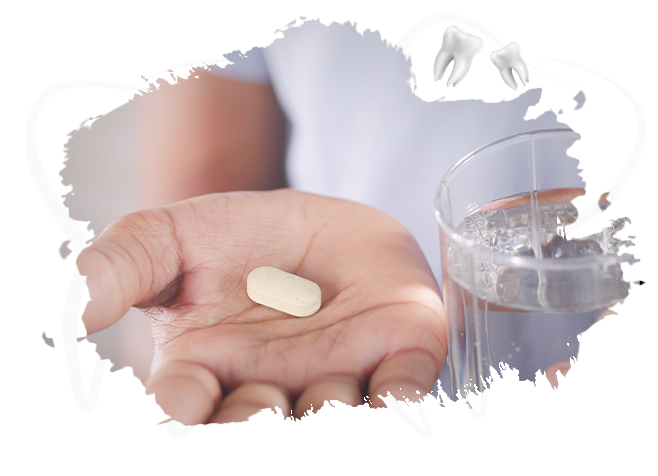
How Long Should Antibiotics Be Used for a Dental Infection?
The recommended medical medication treatment for dental inflammation usually continues uninterrupted for 7 to 10 days as a standard procedure.
However, depending directly on the physical severity of the infection in the area, the extent of its spread inside the mouth, and the person’s general immune level, this critical period may be extended or shortened by the specialist dentist.
Just as in recovery processes from serious illnesses, it is strongly recommended to pay attention to rest and regular nutrition during this sensitive period.
Why Should the Treatment Process Be Followed Strictly?
Following the professional treatment plan created by your dentist does not only relieve temporary complaints. It also prevents the formation of resistant bacteria, directly minimizes the risk of unwanted complications, and ensures complete recovery.
What Are the Possible Effects of Using Antibiotics for Toothache?
Every type of medical medication taken into the body has the potential to cause some unwanted reactions in addition to its intended therapeutic effects. Various pharmacological products used in dental treatments may create different systemic effects, especially in people with sensitive bodies. The intense pressure of the medication on the digestive system or sudden allergic reactions that may develop are considered among the commonly encountered clinical problems.
In such unexpected situations, the use of the medication should be stopped immediately, and you should contact your specialist doctor without delay to provide detailed information about your condition.
What Are the Common Side Effects?
According to clinical studies and observations, the following unwanted side effects may appear temporarily in some patients with different levels of severity and duration:
- Various digestive system problems and lower intestinal complaints such as nausea, vomiting, or diarrhea.
- Severe allergic reactions that may appear immediately with redness, itching, rash, or sudden shortness of breath.
- Persistent oral fungal infections that may develop as beneficial bacteria in the body gradually decrease or disappear completely.
Can Antibiotics Be Used for Toothache During Pregnancy?
Since the immune system of expectant mothers changes during pregnancy, a much more sensitive physiological structure develops against dental infections. Even if severe toothache pain occurs during this special period, not every medical agent can be used safely because the baby’s development may be at risk.
With the joint decision of the obstetrician and dentist, the most suitable and reliable antibiotic types for pregnancy should be prescribed for limited periods. Just as heavy surgical interventions should be avoided during pregnancy, the selection of pharmacological products in oral treatments must also be made with great care.
Do Antibiotics Completely Eliminate Toothache?
Contrary to what is widely believed, medical antibiotics alone are never a sufficient solution to eliminate toothache completely, definitively, and permanently. The toothache experienced is usually only a small reflection of the actual physical problem.
Does Medication Use Solve the Source of the Problem?
Chemical medications can control the acute infection in the area and provide only a certain amount of temporary relief. However, they can never eliminate the actual source that causes severe toothache in the nerve endings, namely the existing structural tissue damage or cavity, on their own, and they may mask dangerous underlying disease conditions.
How Can Pain Be Relieved Until the Antibiotic Takes Effect?
It takes a certain amount of time for prescribed medical medications to reach a full therapeutic level in the body and suppress inflammation.
During this waiting period, pain-relieving analgesics may be used with professional dentist approval, or a mild cold compress may be applied externally to reduce throbbing.
Applying chemicals such as aspirin directly to the painful area should be strictly avoided, as this can cause severe chemical burns on the gums.
Which Methods Should Be Used for a Permanent Solution?
For the toothache to be treated permanently, professional dental interventions such as root canal treatment, filling, or extraction of the decayed problematic tooth are usually absolutely necessary in a clinical setting. Damaged tissue must be carefully repaired physically by a specialist dentist.
These effective mechanical treatments are applied immediately after the inflammation is cleared, restoring the tooth to health and preventing painful discomfort from recurring.
ORAL AND DENTAL HEALTH POLYCLINIC
YOU MAY BE INTERESTED
TREATMENTS THAT YOU CAN RECEIVE

Implant Treatment

Porcelain Laminates

Bonding Application

Orthodontics
Ekiz Oral and Dental Health Polyclinic
We would be happy to help you achieve the smile of your dreams. You can contact us whenever you want.
+90 212 809 47 47
Working Hours: Weekdays 09:00 - 18:00, Weekends 10:00 - 16:00
[email protected]
For any questions and appointments...
Sarıyer/İstanbul
Vadikoru, No:10/A Inner Door No:100
