
Does Diabetes Increase the Risk of Tooth Loss?
Click to rate this post!
[Total: 0 Average: 0]
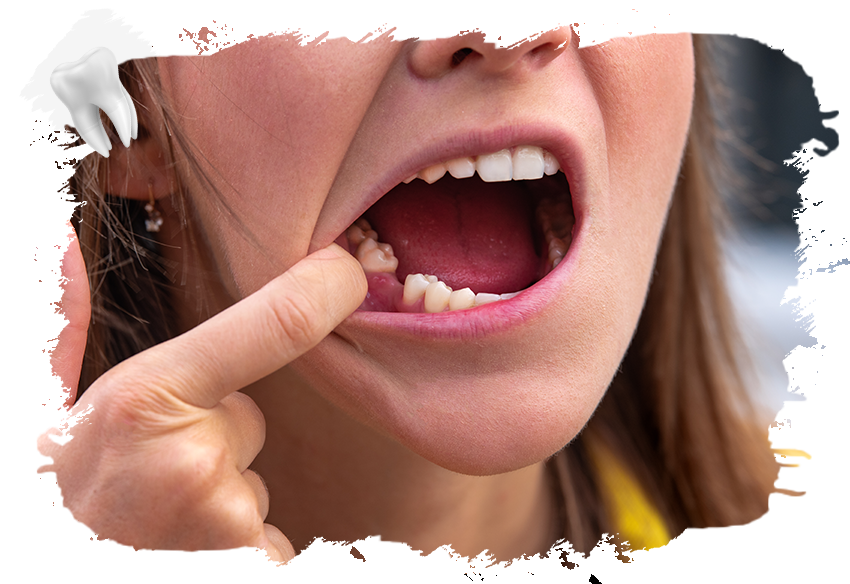
Tooth loss is a clinical condition frequently encountered among patients with diabetes and may indicate serious health problems. When blood sugar levels are not kept under control, bacterial growth in the mouth accelerates, creating a foundation for severe gum diseases. Over time, this condition weakens the bone structure that supports the teeth in their sockets.
The Scientific Relationship Between Diabetes and Oral Health
Diabetes is a factor that directly threatens oral and dental health because it significantly reduces the body’s resistance to infections. The high glucose level in saliva creates an ideal environment for harmful bacteria to multiply. These bacteria form a plaque layer and cause infection in the gums. If the necessary treatment steps are not taken, this inflammatory process can directly result in tooth loss.
The Harmful Effects of High Blood Sugar Levels
High blood sugar damages the capillaries that nourish the gums and significantly slows down the healing process. When the gum tissue cannot receive adequate nourishment, it becomes vulnerable to bacterial attacks. Weakened blood flow accelerates the progression of existing infections, creating the conditions for permanent damage and tooth loss problems.
Main Oral Problems Caused by Diabetes
- Severe and chronic gum infections that develop rapidly due to high glucose levels.
- Persistent dry mouth and tissue irritation caused by the loss of function in the salivary glands.
- Stubborn oral thrush infections caused by disruption of the fungal balance in the mouth.
- Bone loss in the jawbone that holds the teeth in place, eventually leading to permanent tooth loss.
- Reduced wound healing speed and post-surgical complications due to poor tissue nutrition.
Periodontal Diseases and Gum Recession
Periodontal diseases follow a much more severe clinical course in diabetic individuals compared to healthy people. Gum recession causes the tooth roots to become exposed and more vulnerable to acidic decay. Untreated gum infections erode the bone tissue that supports the teeth, leading to serious irreversible damage. Without specialist medical intervention, this condition is a definite cause of tooth loss.
Inflammation and Weakness of the Immune System
Since the immune system of diabetic patients is constantly weakened, gum inflammation tends to become chronic very quickly. When the body is unable to fight infection effectively, the gums swell, bleed, and the tissues weaken at the cellular level. This immune collapse makes treatment processes more difficult and greatly increases the potential risk of tooth loss.
Diabetic Complications That Increase the Risk of Tooth Loss
- Structural blockage of the capillaries beneath the gums due to fluctuating blood sugar levels.
- When regular brushing is neglected, the high sugar level in saliva rapidly turns into harmful acid-producing plaque.
- The rate of tartar formation increases significantly compared to healthy individuals due to diabetic metabolism.
- White blood cells cannot fully perform their functions against infections, causing the defense mechanism to weaken.
- Harmful habits, especially tobacco use, combine with the destructive effects of diabetes and shorten the process leading to tooth loss.
The Effect of Dry Mouth on Cavity Formation
Saliva is the essential fluid that protects tooth enamel by neutralizing acids in the mouth. However, diabetes reduces the cellular activity of the salivary glands and causes chronic dry mouth. A decrease in saliva prevents food debris from being mechanically cleaned from the tooth surface and seriously accelerates cavity formation. Cavities that deepen over time may exceed the limits of root canal treatment and directly create the conditions for tooth loss.
Reduced Saliva Flow and Plaque Accumulation
Reduced saliva flow is a risk factor that makes it easier for bacteria to produce acid and strongly attach to tooth surfaces. Insufficient mechanical cleaning allows microbial dental plaque to harden rapidly and turn into tartar. Enamel exposed to continuous acid attacks begins to dissolve, and if no preventive measures are taken, this may lead to severe pain and definite tooth loss in later stages.
Oral Care Routines That Should Be Followed by Patients with Diabetes
- Blood sugar levels must be kept consistently within ideal reference ranges under the supervision of a specialist physician.
- Detailed mechanical brushing should be performed at least twice a day using a soft-bristled toothbrush and fluoride toothpaste.
- Dental floss should be used regularly and daily to remove plaque from interdental areas that the toothbrush cannot reach.
- Plenty of water should be consumed throughout the day to relieve dry mouth and systemically support saliva production.
- A specialist dentist should be visited at least twice a year for professional tartar cleaning and dental check-ups.
Jawbone Loss in Advanced Diabetes
In advanced and uncontrolled stages of diabetes, extremely serious cellular destruction may occur in the jawbone that surrounds and supports the teeth. Bone tissue loss is a dangerous stage that causes teeth to loosen and completely lose their chewing function. Once bone loss begins, saving the existing teeth becomes extremely difficult, and advanced surgical interventions may become necessary. When bone support disappears, tooth loss may occur spontaneously even without any trauma.
Metabolic Factors That Accelerate Bone Destruction
Irregular metabolic function disrupts the activity of cells responsible for bone formation and directly supports the osteoclastic destruction process. Destructive enzymes released from inflamed gum tissue reduce the mineral density of the jawbone and cause structural weakness in the bone. This metabolic collapse negatively affects the outcome of treatments used to compensate for tooth loss, such as implants, by reducing their success rate.
Early Diagnosis and Regular Dental Check-Ups
For patients with diabetes, early diagnosis is the most critical step in protecting oral health. Minor gum bleeding detected during regular periodic check-ups may be a sign of much larger problems. Specialist dentists develop personalized treatment protocols by considering diabetic tissue sensitivity. Periodontal infections treated at an early stage stop the progression of the disease in the tissues and definitively prevent a possible tooth loss condition.
The Contribution of Routine Check-Ups to the Healing Process
Regular dental examinations involve not only detecting surface cavities but also clinically measuring the depth of gum pockets. Professional cleaning of bleeding areas or areas with periodontal pockets accelerates the recovery of weakened tissues. In this way, the destructive cellular effects of diabetes are brought under control, and unwanted tooth loss scenarios are prevented.
The Role of Dietary Habits in Oral Health
The strict dietary programs followed by patients with diabetes directly affect not only systemic blood sugar but also dental tissue. Consumption of refined sugar and simple carbohydrates allows cariogenic bacterial populations in the mouth to multiply uncontrollably. Conscious selection of the right foods helps strengthen weakened tooth enamel and suppress inflammatory reactions at the cellular level. In this context, establishing a healthy diabetes-friendly nutrition routine is an important prophylactic strategy that indirectly minimizes the risk of tooth loss.
Acidic Foods and Enamel Erosion
Foods and drinks with high acid content dissolve the inorganic building blocks of tooth enamel and create irreversible chemical erosion. These dangerous acid attacks, combined with diabetic dry mouth, weaken the outer layer of the teeth and trigger severe sensitivity problems. Deterioration of the enamel structure is a precursor to cavities that rapidly progress toward the deep pulp tissues and significantly increases the likelihood of tooth loss.
Implant Treatment and Success Rates in Diabetes
For diabetic patients who experience tooth loss due to any pathological cause, implant treatment that restores function is generally considered the first option. However, before the planned surgical intervention, the patient’s medical glycemic control must be fully achieved. Blood sugar imbalance disrupts the process by which the titanium implant fuses with the bone, impairs healing, and may cause the body to reject the prosthesis. An unsuccessful operation process may lead to further destruction of the jawbone tissue and a secondary tooth loss complication that is difficult to compensate for.
The Effects of Diabetes on the Osseointegration Process
Osseointegration is the process in which the placed titanium implant integrates with living bone tissue at the cellular level, creating a strong foundation for the prosthesis. In patients with diabetes, systemic insufficiency of capillary circulation significantly slows down this critical fusion stage. If the necessary oral hygiene conditions and dentist recommendations are not followed, healing physiology is disrupted, and tooth loss may become an issue again even after surgical treatment.
Stress Management and Teeth Clenching Problems
The heavy psychological burden caused by chronic metabolic diseases may create a foundation for stress-related harmful habits such as unconscious teeth clenching or grinding during sleep. The disproportionate and excessive load placed on tooth roots can break down the gum ligaments that are already weakened due to diabetes, completely disrupting structural integrity. This pathological condition, known as bruxism, creates a foundation for microscopic enamel cracks and deep root fractures. Especially in diabetic patients with alveolar bone loss, these mechanical traumas may directly result in tooth loss.
The Effects of Mechanical Trauma on Tooth Roots
Weakened tooth roots exposed to continuous pressure create microscopic structural damage in the surrounding alveolar bone and significantly increase the risk of infection. These chronic mechanical traumas, when combined with gum diseases, gradually eliminate the ability of the teeth to remain attached in their sockets. If a protective acrylic night guard is not used regularly, root destruction accelerates, and eventually tooth loss becomes inevitable.
The Effects of Diabetes Medications on Oral Flora
Some specific medications used in the medical treatment of diabetes may directly suppress saliva secretion as a systemic side effect and disrupt the natural balance of the oral flora. The loss of saliva’s natural cleansing and protective effect causes acid-producing pathogenic bacteria to settle permanently on tooth surfaces. This dryness creates an extremely suitable environment for the development of fungal infections and makes the gums even more sensitive. If medication dosage is not adjusted under physician supervision, complications in the flora may grow and dangerously accelerate the process leading to tooth loss.
Chemical Side Effects and Inflammatory Reactions
Synthetic medications used regularly for diabetes control may cause chronic irritation and allergic reactions in the oral mucosa, reducing cellular tissue resistance. Chemical disruption of the healthy flora is a factor that makes it easier for harmful microorganisms to rapidly penetrate weakened tissues. Failure to break the inflammatory infection cycle triggers cellular bone destruction and continues to create a long-term risk of permanent tooth loss.
The Importance of Oral Hygiene Education and Practical Application
Providing diabetes patients with special education by professionals on oral and dental health is one of the cornerstones of managing the systemic disease. Lack of knowledge about proper brushing techniques leads to inadequate cleaning of dental plaque from surfaces and increases the risk of local infection. Teaching patients how to clean effectively without damaging soft tissues that are prone to bleeding helps slow gum recession. Professional hygiene education received in clinics is the strongest prophylactic shield that perfects daily personal care and helps prevent tooth loss throughout life.
Kişiselleştirilmiş Bakım Ürünlerinin Doğru Kullanımı
Diyabetik doku hassasiyeti, standart ve sert ağız bakım ürünleri yerine daha yumuşak ve hastaya özel içerikli materyallerin kullanılmasını zorunlu kılmaktadır. Alkol içermeyen antibakteriyel gargaralar ve arayüz fırçaları, mekanik doku tahrişini minimuma indirerek diş etlerini enfeksiyondan korur. Yanlış ürün seçiminin getireceği mikrotravmalar, hücresel enfeksiyonu alevlendirerek dolaylı yoldan diş kaybı sorunlarına anatomik ortam hazırlayabilmektedir.
ORAL AND DENTAL HEALTH POLYCLINIC
YOU MAY BE INTERESTED
TREATMENTS THAT YOU CAN RECEIVE

Implant Treatment

Porcelain Laminates

Bonding Application

Orthodontics
Ekiz Oral and Dental Health Polyclinic
We would be happy to help you achieve the smile of your dreams. You can contact us whenever you want.
+90 212 809 47 47
Working Hours: Weekdays 09:00 - 18:00, Weekends 10:00 - 16:00
[email protected]
For any questions and appointments...
Sarıyer/İstanbul
Vadikoru, No:10/A İç Kapı No:100
