
What Is the Dental Nerve? What Happens If It Is Removed?
Click to rate this post!
[Total: 0 Average: 0]
The dental nerve is the living tissue located at the center of the tooth, referred to as “pulp” in medical literature. The pulp consists of blood vessels, nerves, and connective tissue that nourish the tooth and carry out both its sensory and metabolic functions. This structure, which enables the tooth to respond to stimuli such as heat, cold, and pressure, is vital for maintaining the tooth’s health.
The pulp is not only a tissue that responds to pain; it also plays a role in dentin production during the development of the tooth and shows resistance to infections as part of the tooth’s defense mechanism.
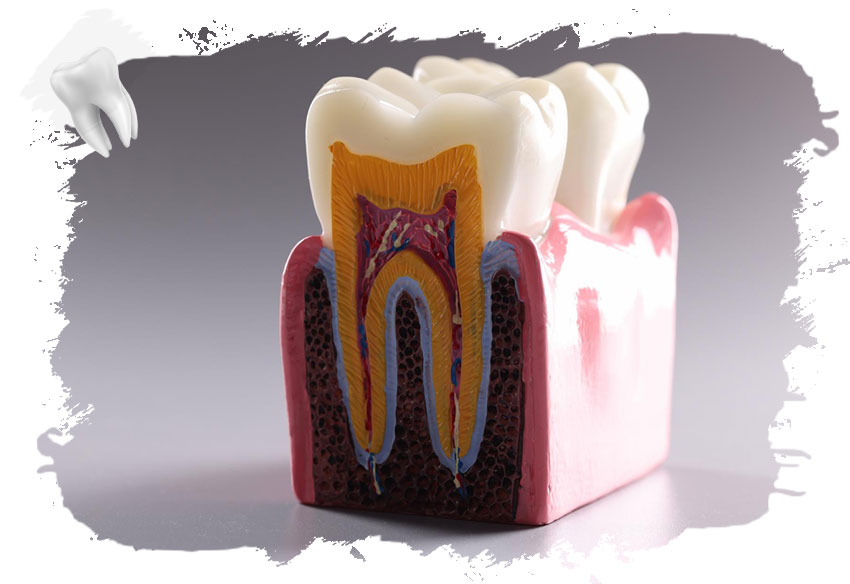
What Is the Dental Nerve (Pulp)?
The dental nerve, or pulp, is the central tissue that provides the vitality of the tooth. The pulp consists of blood vessels, nerve fibers, and connective tissue, and supports the tooth’s nutrition, sensory responses, and defense mechanism.
Thanks to the pulp, the tooth shows sensitivity to hot and cold foods and beverages and directs us to protect the tooth by sending pain signals. In addition, the pulp contributes to dentin production during the development process of the tooth and supports the structural integrity of the tooth.
A healthy pulp enables the tooth to repair minor damage and to create an immune response against infections. When the pulp is damaged, the tooth becomes fragile and experiences loss of function. Therefore, preserving the pulp prolongs the life of the tooth and ensures the sustainability of oral health.
Importance of the Dental Nerve
The dental nerve is a critical structure that ensures the vitality of the tooth and its harmony with surrounding tissues. The pulp nourishes the tooth, sends pain signals, and contributes to the repair of minor damage. A healthy dental nerve prevents tooth loss in the long term and maintains oral health.
The importance of the dental nerve is reflected in the following ways:
- Vitality and sensitivity: It enables the tooth to respond to heat, cold, and pressure, thereby protecting it.
- Infection defense: The pulp supports the natural defense mechanism that protects the tooth against infections.
- Damage repair: It helps prevent the progression of small cracks or early-stage decay.
- Pain signal: It provides warning before damage occurs, allowing early intervention.
- Oral and jaw health: The pulp supports overall oral health by ensuring the tooth works in harmony with surrounding tissues.
Preserving the dental nerve is critical not only for a single tooth but also for the long-term protection of overall oral health.
Is It Possible to Protect the Health of the Dental Nerve?
It is possible to protect the dental nerve, and with proper care, pulp health can be maintained for many years. For this, oral hygiene should be maintained through regular tooth brushing, flossing, and the use of mouthwashes.
Avoiding excessive consumption of sugary and acidic foods plays a critical role in preventing tooth decay and pulp infections. Additionally, regular dental check-ups allow early detection of cavities and prevent damage to the nerve.
Additional factors to consider:
- Brushing teeth at least twice a day with fluoride toothpaste
- Cleaning between teeth with dental floss or interdental brushes
- Being careful with extremely hot and cold foods and beverages
- Avoiding habits that may damage the teeth (nail biting, chewing on pens, etc.)
- Taking precautions to protect teeth from trauma (such as using a mouthguard during sports)
These habits prevent damage to the pulp and extend the life of the tooth.
Why Is the Dental Nerve Removed?
Removal of the dental nerve is performed when the pulp is irreversibly damaged or infected. If the nerve is not removed, the infection progresses, tooth pain increases, abscesses may form, and there is a risk of tooth loss. Removing the dental nerve allows the tooth to maintain its function and prevents damage to surrounding tissues.
The main situations that require removal of the dental nerve:
- Deep cavities and infections that have reached the center of the tooth
- Damage to the dental nerve due to trauma
- Tooth fractures and cracks
- Advanced dental diseases and inflammations
This procedure allows the tooth to remain in the mouth and prevents more serious complications.
How Is the Dental Nerve Removal Procedure Performed?
The dental nerve removal procedure, known as root canal treatment, is usually performed under local anesthesia. During the procedure, the infected or damaged pulp is removed, the interior of the tooth is disinfected, and the canal system is filled with a special filling material.
The natural structure of the tooth is preserved during the procedure, and a filling or crown may be placed on it if necessary. In some cases, it can be completed in a single session, while in others, several sessions may be required depending on the condition of the tooth and the extent of the infection. Root canal treatment allows the tooth to remain in the mouth without losing its normal function.
After the Dental Nerve Removal Procedure
After the procedure, temporary sensitivity, mild pain, or a feeling of pressure in the tooth may occur. This usually decreases within a few days and does not affect daily life. Following the care instructions provided by the dentist speeds up the healing process.
Since a tooth that has undergone root canal treatment may be more susceptible to fractures, placing a crown or filling on it is recommended. Regular check-ups allow the health of both the treated tooth and other teeth to be monitored.
What Should Be Paid Attention To?
After the dental nerve is removed, certain precautions should be taken to protect both the treated tooth and overall oral health. A tooth that has undergone root canal treatment is more sensitive to fractures and requires extra care.
Points to pay attention to include:
- Placing a filling or crown on the tooth that underwent root canal treatment
- Monitoring the tooth and surrounding area through regular dental check-ups
- Maintaining careful oral hygiene (brushing, flossing, mouthwash)
- Visiting the dentist if pain, swelling, or discoloration occurs after the procedure
- Avoiding hard foods and not putting stress on the tooth
These measures increase the tooth’s durability, reduce the risk of complications, and help maintain oral health over the long term.
ORAL AND DENTAL HEALTH POLYCLINIC
YOU MAY BE INTERESTED
TREATMENTS THAT YOU CAN RECEIVE

Implant Treatment

Porcelain Laminates

Bonding Application

Orthodontics
Ekiz Oral and Dental Health Polyclinic
We would be happy to help you achieve the smile of your dreams. You can contact us whenever you want.
+90 212 809 47 47
Working Hours: Weekdays 09:00 - 18:00, Weekends 10:00 - 16:00
[email protected]
For any questions and appointments...
Sarıyer/İstanbul
Vadikoru, No:10/A Inner Door No:100
