
Scientific Methods to Strengthen Tooth Enamel (Home and Clinical Protocols)
Click to rate this post!
[Total: 1 Average: 5]
Strong tooth enamel forms the foundation of a healthy oral structure. The enamel layer is the outer protective barrier of the tooth and can weaken over time due to acidic foods, bacteria, improper brushing habits, and daily wear.
Weakened enamel opens the door to many problems, from sensitivity to decay; therefore, increasing enamel density, supporting its mineral structure, and strengthening its surface are among the most critical approaches in oral health.
Enamel tissue does not regenerate, but it can be remineralized. This is possible with proper clinical applications and regular home care.
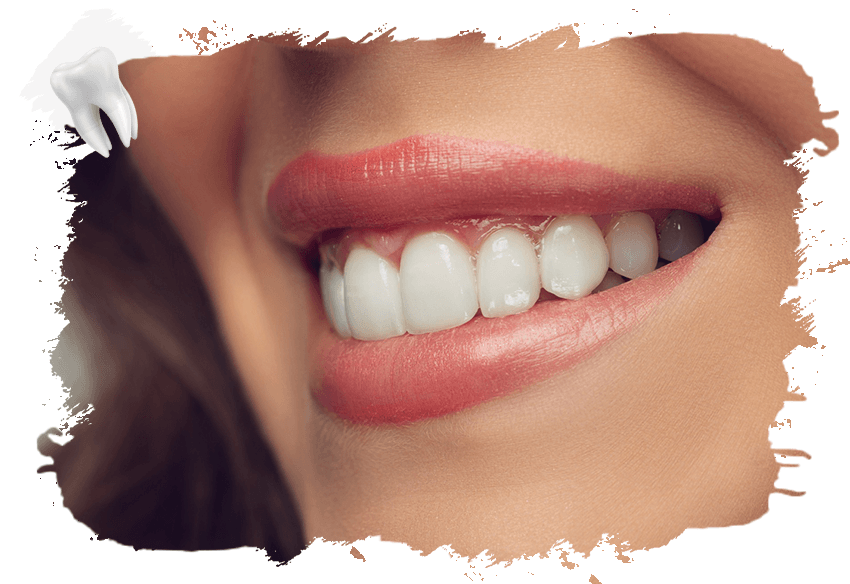
Factors That Lead to Weakening of Tooth Enamel
Enamel loss usually progresses slowly and may go unnoticed by the patient. The first symptoms often include sensitivity to hot and cold, a rough surface sensation, and opaque spots.
Main causes:
- Frequent consumption of acidic and sugary foods
- Frequent snacking habits
- Hard brushing or incorrect toothbrush selection
- Reflux and exposure to stomach acid
- Dry mouth (saliva deficiency)
- Incorrect whitening applications
- Teeth grinding (bruxism)
Some of these factors can be controlled through nutrition, while others can be managed with clinical treatments.
Scientific Approaches to Strengthen Enamel at Home
The goal of home care is to restore minerals to the tooth surface and prevent further loss.
- Use of fluoride-containing toothpaste and gels: Fluoride strengthens the enamel crystal structure and reduces bacterial activity.
- Products containing hydroxyapatite or calcium-phosphate: These have a structure similar to enamel and support the natural repair mechanism.
- Limiting the consumption of sugary and acidic beverages: Reducing the duration of acid exposure makes remineralization easier.
When applied regularly and correctly, these supports help make the enamel structure more resistant.
Clinical Treatments: Professional Mineral Support
Clinical protocols are especially effective for patients who experience sensitivity, have white opaque spots, or show noticeable enamel thinning.
Remineralization sessions
High-concentration fluoride varnishes, calcium-phosphate gels, and special micro-remineralizing agents are applied.
These applications fill enamel microporosities, creating a harder and smoother surface.
Infiltration Treatment (Icon)
A low-viscosity resin is infiltrated into the white spot lesions to stabilize the enamel structure and achieve a more uniform aesthetic appearance.
This method is particularly successful for white opaque lesions, post-orthodontic enamel defects, and early-stage enamel demineralization.
Lifestyle That Strengthens Tooth Enamel
Increasing enamel strength is not only about using the right products; daily habits also play a major role.
- Drinking acidic beverages with a straw
- Limiting frequent snacking
- Making rinsing the mouth with water a regular habit
- Using a night guard if teeth grinding is present
- Using saliva-supporting products in cases of dry mouth
These routines help minerals remain on the tooth surface longer and support enamel resistance.
Enamel Strengthening, Whitening, and Acid Balance
As the demand for whiter teeth increases, unconscious or uncontrolled whitening applications have also become more common. However, aggressive whitening can increase enamel porosity.
For this reason, whitening should be combined with tissue-strengthening protocols. Planning remineralization sessions after whitening reduces sensitivity and helps stabilize the enamel surface.
Similarly, gastroenterological follow-up is important for patients who experience reflux or frequent exposure to stomach acid. The more balanced the oral pH, the stronger the enamel remains.
Long-Term Approach and Regular Check-Ups
Strengthening enamel is not a one-time procedure; it requires continuity.
The maintenance plan recommended by the clinic should be personalized. Some patients may need fluoride varnish every three months, while others can progress with annual check-ups.
Patients often ask, “Can I do something before my teeth get worse?” The answer is yes — with proper mineral support, controlled nutrition, regular clinical follow-up, and the right hygiene routine, teeth can remain strong for many years.
Every small preventive step taken today helps avoid major restorations in the future. Preserving oral health is not only about aesthetics, but also about extending the lifespan of natural teeth.
ORAL AND DENTAL HEALTH POLYCLINIC
YOU MAY BE INTERESTED
TREATMENTS THAT YOU CAN RECEIVE

Implant Treatment

Porcelain Laminates

Bonding Application

Orthodontics
Ekiz Oral and Dental Health Polyclinic
We would be happy to help you achieve the smile of your dreams. You can contact us whenever you want.
+90 212 809 47 47
Working Hours: Weekdays 09:00 - 18:00, Weekends 10:00 - 16:00
[email protected]
For any questions and appointments...
Sarıyer/İstanbul
Vadikoru, No:10/A Inner Door No:100
