
What Is a Lesion in a Tooth?
Click to rate this post!
[Total: 0 Average: 0]
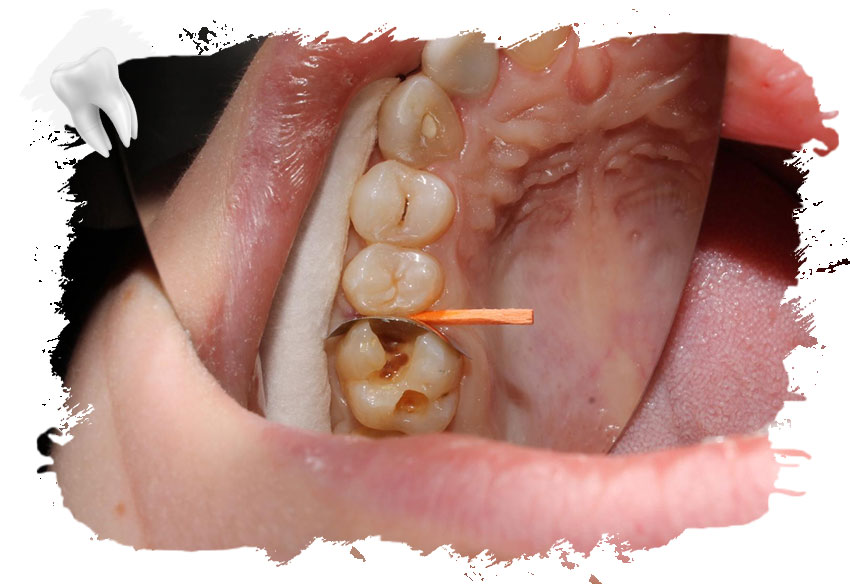
A lesion in a tooth refers to abnormal changes that occur in the hard tissues of the tooth or in the surrounding soft tissues. These changes often begin as minor damage in the enamel and can progress over time to reach the dentin and the tissues around the root.
This condition, which is difficult to notice at the beginning, can lead to both aesthetic and functional problems as it progresses. If left untreated, it can result in serious consequences such as pain, infection, and even tooth loss. Therefore, regular check-ups and early diagnosis play a critical role in the management of dental lesions.
What Is a Lesion? How Does It Form?
A lesion is generally defined as a structural deterioration or damage occurring in any tissue of the body. Lesions in the oral and dental region usually occur as a result of the accumulation of bacterial plaque, tooth decay, trauma, or gum diseases.
Poor oral hygiene, frequent consumption of sugary and acidic foods, and neglect of dental care accelerate this process. In addition, habits such as teeth grinding or biting hard objects can also weaken the tooth structure. Over time, these effects accumulate, trigger lesion formation, and may turn into a condition that requires treatment.
What Are the Symptoms of a Dental Lesion?
Dental lesions usually progress insidiously and may not cause noticeable complaints in the early stages. However, as the lesion grows and reaches deeper tissues, various symptoms begin to appear.
These symptoms can affect daily comfort and may lead to more serious problems if neglected.
The symptoms of a dental lesion are as follows:
- Tooth sensitivity: A sudden and short-term tingling sensation may occur in response to hot, cold, or sweet foods, which usually indicates damage to the enamel.
- Pain during chewing: Pain felt while eating, especially when consuming hard foods, may indicate that the lesion has reached deeper tissues.
- Gum swelling: If the lesion is close to the tooth root, swelling, redness, and sensitivity in the gums may occur.
- Color changes: Visual changes such as white spots, darkening, or dullness on the tooth surface are among the early signs.
- Bad breath: Due to bacterial accumulation, bad odor or taste may occur in the mouth, which can also affect social life.
- Throbbing pain: In advanced cases, constant and severe pain may occur, which is usually a sign of infection.
If these symptoms are noticed, early intervention ensures that the treatment process is both
What Are the Types of Dental Lesions?
Dental lesions are classified into different types based on their cause and the tissue they affect. Since each type of lesion has a different development process, the treatment method applied also varies accordingly.
The types of dental lesions are generally as follows:
- Lesions caused by tooth decay
- Lesions resulting from trauma
- Lesions caused by infection
- Cystic lesions
- Tumor-like formations
Correctly distinguishing these types not only increases the success of the treatment process but also helps prevent potential complications.
Differences Between Benign and Malignant Lesions
Lesions in the tooth and jaw area are classified as benign or malignant. Benign lesions usually grow slowly and have a low tendency to damage surrounding tissues. In most cases, they can be completely removed through surgical intervention.
Malignant lesions, on the other hand, progress more rapidly, can spread to surrounding tissues, and may lead to more serious health problems. Therefore, in suspicious cases, detailed examination and early diagnosis are of great importance.
What Are the Symptoms of a Dental Lesion?
The symptoms of dental lesions can vary depending on the location and progression of the lesion. Lesions that form around the tooth root generally present with deeper and more severe symptoms.
In some cases, however, they may progress without causing any symptoms and are only detected during routine check-ups. Therefore, even mild symptoms should not be ignored.
How Is a Dental Lesion Treated?
The treatment of dental lesions is planned according to the size, type, and location of the lesion. In cases detected early, simpler procedures may be sufficient, while advanced cases may require more comprehensive treatments.
The goal of treatment is to eliminate the existing damage and preserve the function of the tooth.
The treatment methods for dental lesions include:
- Filling treatment: In superficial lesions, decay is removed, and the tooth is restored with a suitable filling material to preserve its structure.
- Root canal treatment: When the lesion has reached the tooth’s nerve, the infected tissue is removed and the canal system is filled.
- Surgical intervention: In cases of cysts or advanced lesions, the problematic tissue can be completely removed through surgery.
- Antibiotic treatment: Used as a supportive measure in the presence of infection to help control inflammation.
- Crown applications: Protective crowns can be applied to prevent fractures when the tooth structure is weakened.
After the applied treatment, regular check-ups are conducted to monitor the tooth’s condition and reduce the risk of recurrence.
What Is the Recovery Process Like After Dental Lesion Treatment?
The recovery process after treatment varies depending on the type of procedure performed. After simple treatments, the patient can return to daily life quickly, whereas surgical procedures may cause sensitivity and mild pain lasting a few days.
During this period, following the dentist’s recommendations, using medications as prescribed, and maintaining oral hygiene help speed up recovery. Additionally, avoiding hard and irritating foods contributes positively to the healing process.
Ways to Prevent Dental Lesions
Developing regular oral care habits is highly important for preventing dental lesions. A daily care routine significantly reduces the risk of lesion formation by limiting bacterial accumulation on the tooth surface.
Ways to prevent dental lesions include:
- Regular tooth brushing: Brushing at least twice a day with the correct technique prevents plaque buildup on the tooth surface.
- Using dental floss: Cleans food debris between teeth, reducing the risk of cavities and lesions.
- Using mouthwash: Helps control bacteria in the mouth and supports overall oral hygiene.
- Healthy diet: Limiting the consumption of sugary and acidic foods helps protect the enamel.
- Regular dental check-ups: Allows early detection of asymptomatic lesions and provides opportunities for preventive treatments.
- Avoiding harmful habits: Behaviors like teeth grinding or biting hard objects can damage tooth structure and increase the risk of lesions.
Consistently following these habits protects existing dental health and helps prevent more serious oral and dental problems in the future.
ORAL AND DENTAL HEALTH POLYCLINIC
YOU MAY BE INTERESTED
TREATMENTS THAT YOU CAN RECEIVE

Implant Treatment

Porcelain Laminates

Bonding Application

Orthodontics
Ekiz Oral and Dental Health Polyclinic
We would be happy to help you achieve the smile of your dreams. You can contact us whenever you want.
+90 212 809 47 47
Working Hours: 09:00 - 19:00
[email protected]
For any questions and appointments...
Sarıyer/İstanbul
Vadikoru, No:10/A İç Kapı No:100
