
What Is a Dental Bridge?
Click to rate this post!
[Total: 0 Average: 0]
A dental bridge is a common restorative dental treatment used to replace missing teeth. It is used to fill the gap between teeth, restore chewing function, and improve aesthetic appearance. Today, dental bridges made from various materials offer patients multiple options in terms of both durability and appearance.
In particular, the dental bridge cost in Turkey is an attractive option for patients. In this article, you can find detailed information about the types of dental bridges, their benefits, durability, care, and foods to avoid.
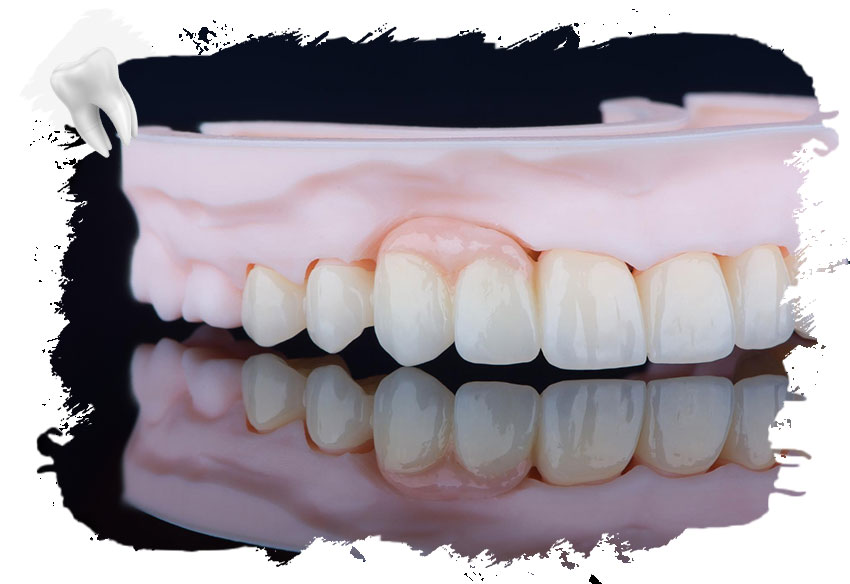
Dental bridges are an effective restorative method that has been used for centuries to prevent chewing and speech problems caused by missing teeth.
How Is a Dental Bridge Made?
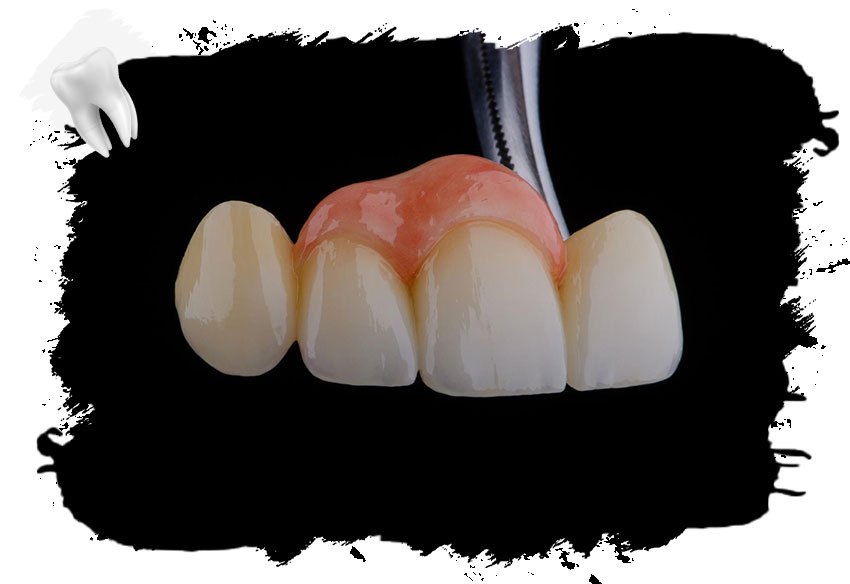
A dental bridge is a fixed type of prosthesis made by taking support from the neighboring teeth to replace a missing tooth. Before the procedure, the dentist prepares and reduces the healthy teeth on either side of the missing tooth.
This preparation ensures that the bridge fits securely and properly. Next, a dental impression is taken, and a custom bridge prosthesis is fabricated in a laboratory. In the final step, this prosthesis is fixed onto the adjacent teeth, restoring both the aesthetic and functional aspects of the missing tooth. The procedure helps regain chewing function and improves smile aesthetics.
Who Can Get a Dental Bridge?
A dental bridge is a common treatment option for individuals with a missing tooth. However, it is not suitable for everyone; the success of the procedure depends on the patient’s oral and dental health. The adjacent teeth must be strong and durable, gum health should be good, and overall oral hygiene should be adequate to determine the treatment’s feasibility.
- Individuals with healthy neighboring teeth: The bridge relies on support from the teeth next to the missing tooth, so these teeth need to be strong.
- Those with good gum health: Patients with gum inflammation or serious gum problems should receive treatment first.
- People who maintain oral hygiene: Regular brushing and flossing are important for long-lasting use of the bridge.
- Those concerned with chewing and aesthetics: Patients experiencing difficulty chewing due to a missing tooth or who care about smile aesthetics may prefer a dental bridge.
In short, anyone considering a dental bridge should first undergo a detailed examination by a dentist. With proper planning, a dental bridge restores aesthetics by replacing the missing tooth and regains chewing function.
Types of Dental Bridges
Dental bridges are classified into different types based on their purpose and materials. The most common types include porcelain-fused-to-metal bridges, all-ceramic bridges, and zirconia bridges. Each type offers different advantages in terms of aesthetics and durability and is chosen according to the patient’s needs.
Porcelain-fused-to-metal bridges stand out for their durability and are often preferred for molars. All-ceramic bridges prioritize aesthetics for front teeth, providing a natural appearance. Zirconia bridges are both durable and highly aesthetic.
In bridge vs. implant discussions, the advantage of bridges is that they do not require surgical intervention and are more cost-effective. However, implants can offer a longer-lasting solution compared to dental bridges. In Turkey, dental bridge prices vary depending on the material used and the length of the bridge.
Additionally, less common options such as Maryland bridges and cantilever bridges exist. Maryland bridges are particularly preferred for front teeth and are attached to neighboring teeth with metal or porcelain wings. Cantilever bridges are supported by a tooth on only one side and are usually applied when a strong tooth is present next to the missing tooth. These additional options provide alternatives based on the patient’s oral structure and aesthetic expectations.
Advantages of Dental Bridges
Dental bridges eliminate many problems caused by missing teeth. They restore chewing function and improve facial aesthetics. They also reduce speech difficulties and help maintain proper tooth alignment. The main benefits of dental bridges are:
- Closing gaps from missing teeth: Prevents teeth from shifting and maintains proper alignment.
- Aesthetic appearance: Enhances smile aesthetics and boosts self-confidence.
- Speech support: Reduces speech problems caused by missing teeth.
- Chewing function: Allows for comfortable chewing of food.
- Maintaining oral health: Helps preserve gum health and keeps the jaw structure balanced.
Dental bridges effectively address issues caused by missing teeth in terms of both health and aesthetics. For this reason, dentists often recommend bridge treatment for suitable patients.
What Are the Disadvantages of a Dental Bridge?
Although a dental bridge is a commonly used treatment to replace a missing tooth, it has some disadvantages. Since the adjacent teeth need to be reduced before the procedure, healthy teeth may be slightly affected.
- Preparation of healthy teeth may be required: The teeth supporting the bridge are reduced, which involves altering the natural tooth structure.
- Risk of gum problems and decay: The area beneath the bridge can be difficult to clean, potentially leading to gum issues and cavities.
- Long-term fit issues: Over time, the fit of the bridge may be compromised, and it may need to be replaced.
- Adjustment period: As a fixed prosthesis, some individuals may experience pressure or discomfort initially.
Despite these disadvantages, with proper planning and regular maintenance, dental bridges can be used effectively for many years. Treatments carried out under the supervision of a dentist minimize risks and provide satisfactory results both aesthetically and functionally.
How Long Does a Dental Bridge Last?
The lifespan of a dental bridge varies depending on the material used, oral hygiene, and regular dental check-ups. On average, porcelain-fused-to-metal bridges last between 5–15 years, while zirconia bridges can last 10–20 years. Regular maintenance and proper use are the most effective ways to extend the bridge’s lifespan. Therefore, patients should consider both cost and longevity when evaluating options in Turkey, paying attention to the dental bridge cost in Turkey.
How Should a Dental Bridge Be Maintained?
Proper care is essential for a dental bridge to last a long time. Cleaning the gums around the bridge and brushing the spaces beneath it prevents plaque buildup. Using regular dental floss or special interdental brushes also helps keep the bridge clean.
Additionally, regular dental check-ups are important to monitor the condition of the bridge and address potential issues early. These care habits protect oral health and extend the lifespan of the bridge.
Factors Affecting the Lifespan of Dental Bridges
Dental bridges are a commonly preferred treatment method for replacing missing teeth. However, the lifespan of these prostheses can vary depending on several factors. Elements such as the patient’s oral hygiene habits, the dentist’s technique, and the quality of the materials used directly affect the durability of dental bridges.
- Oral hygiene: Regular brushing and flossing prevent bacteria from accumulating around the bridge.
- Gum health: Healthy gums provide strong support for dental bridges.
- Quality of the materials used: Bridges made from durable, high-quality materials generally last longer.
- Teeth grinding or clenching habits: These habits can put excessive pressure on the bridge.
- Regular dental check-ups: Early detection of potential issues helps the bridge last longer.
By paying attention to these factors, dental bridges can be used effectively for many years. Regular maintenance and check-ups preserve the bridge’s durability and support overall oral health.
ORAL AND DENTAL HEALTH POLYCLINIC
YOU MAY BE INTERESTED
TREATMENTS THAT YOU CAN RECEIVE

Implant Treatment

Porcelain Laminates

Bonding Application

Orthodontics
Ekiz Oral and Dental Health Polyclinic
We would be happy to help you achieve the smile of your dreams. You can contact us whenever you want.
+90 212 809 47 47
Working Hours: 09:00 - 19:00
[email protected]
For any questions and appointments...
Sarıyer/İstanbul
Vadikoru, No:10/A İç Kapı No:100
